Discover Minimalist Art Pieces Perfect for Humid Indian Climates
Decorating your home with art is a delightful way to express your personality and elevate your living space. In India, where many regions experience a humid climate, selecting art pieces that can withstand such conditions while still maintaining aesthetic appeal becomes crucial. Minimalist art, known for its simplicity and focus on essential elements, offers a perfect solution. Let's explore why minimalist art is ideal for humid Indian climates and how you can incorporate these pieces into your home decor.
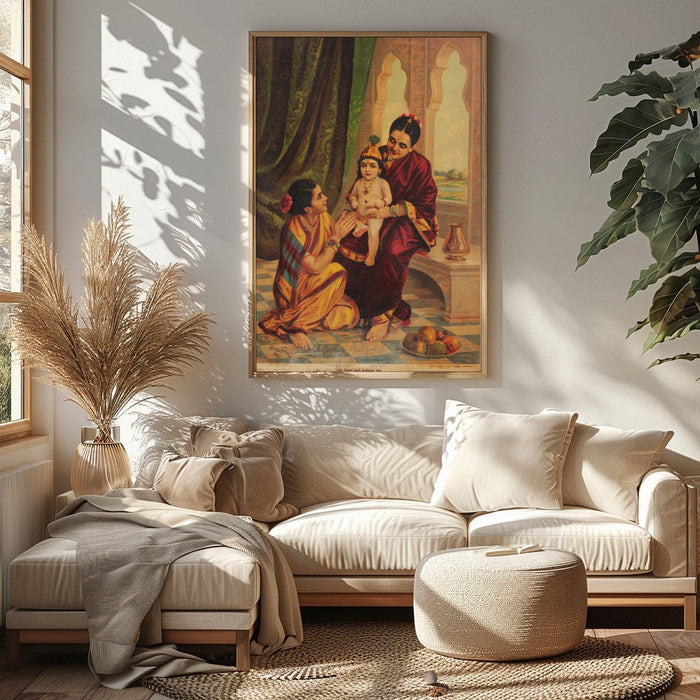
Explore our Divine Companionship: Traditional Portrait — curated for Indian homes like yours.
Why Choose Minimalist Art for Humid Climates?
 Divine Companionship: Traditional Portrait
From ₹1,099
 Muted Earth Abstract Composition
From ₹1,099
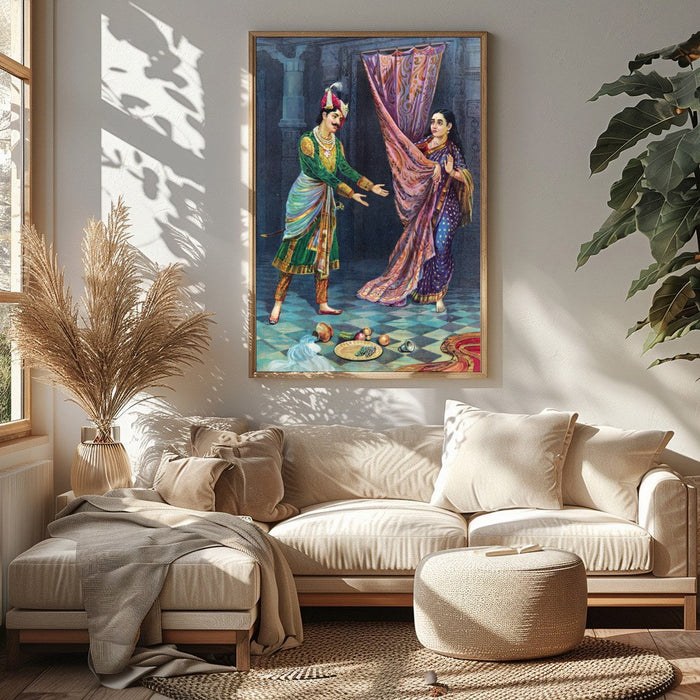
 Pastoral Harmony: A Celebration of Nature
From ₹1,099
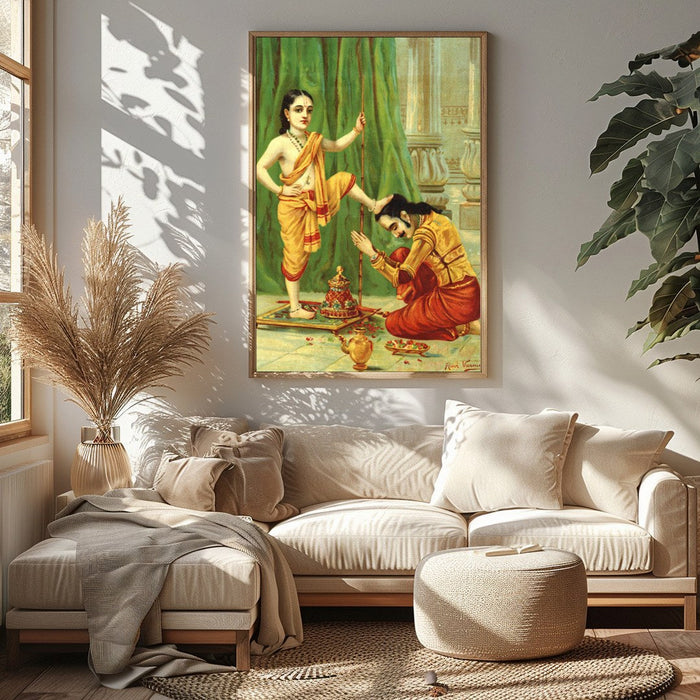
 Divine Reverence: Historical Indian Portrait
From ₹1,099
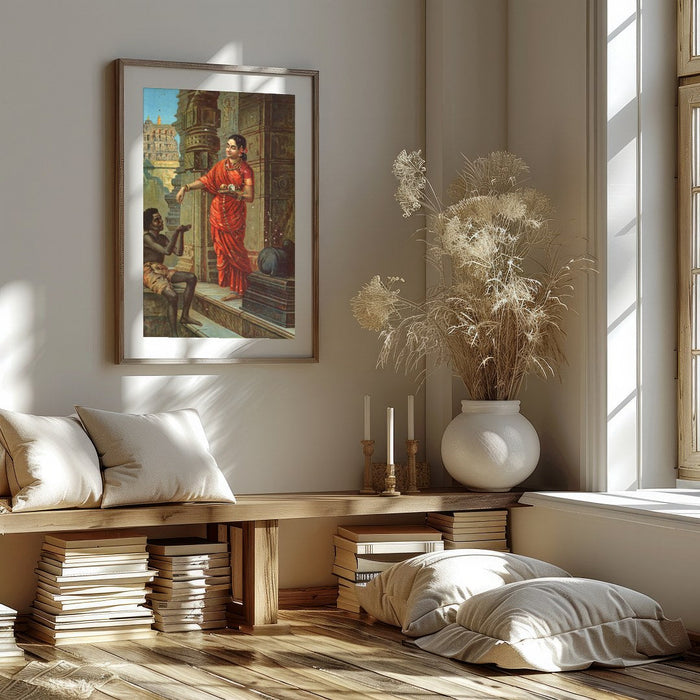
 Devotional Indian Family Portrait
From ₹1,099
 Geometric Elegance with Botanical Linework
From ₹1,099
 Vibrant Pop Art Icon
From ₹1,099
 Monochrome Lord Hanuman Op Art
From ₹1,099

Minimalist art is characterized by its simplicity, clean lines, and focus on the essence of the subject. This art style often uses durable materials that are less susceptible to the effects of humidity. Here are a few reasons why minimalist art pieces are particularly suited for Indian homes in humid climates:
Explore our Muted Earth Abstract Composition — curated for Indian homes like yours.
- Durability: Minimalist art often employs materials like metal, glass, and treated wood that can withstand moisture without significant damage. These materials are less likely to warp or degrade compared to traditional canvas or paper.
- Clean Aesthetic: The simplicity of minimalist art complements modern Indian interiors, bringing a sense of calm and order to spaces that might otherwise feel cluttered.
- Low Maintenance: With fewer intricate details, minimalist art is easier to clean and maintain, making it ideal for regions where dust and moisture are prevalent.
Incorporating Minimalist Art in Indian Homes

Whether you own a cozy flat in Mumbai or a sprawling villa in Kerala, incorporating minimalist art into your home can be both rewarding and inspiring. Here are some tips to help you integrate minimalist pieces into your decor:
Explore our Pastoral Harmony: A Celebration of Nature — curated for Indian homes like yours.
1. Selecting the Right Art Pieces
When selecting minimalist art, consider pieces that use materials resistant to humidity. Look for works on metal panels or acrylic surfaces, which are less likely to be affected by moisture. Opt for pieces that feature neutral colors or monochromatic schemes to enhance the minimalist aesthetic. This not only ensures longevity but also helps in creating a harmonious environment.
Explore our Divine Reverence: Historical Indian Portrait — curated for Indian homes like yours.
2. Placement and Positioning
Proper placement of art pieces is key to maximizing their impact. In humid climates, it's advisable to avoid areas prone to excessive moisture, such as bathrooms or kitchens. Instead, place your art in living rooms, bedrooms, or hallways where they can be appreciated without risk of damage. In Indian homes, where vastu shastra often influences design, aligning art in accordance with these principles can also enhance positivity and energy flow.
Explore our Devotional Indian Family Portrait — curated for Indian homes like yours.
3. Creating a Cohesive Theme
Minimalist art works best when it complements the overall design theme of your home. Consider using art pieces to anchor a room's color palette or to create visual interest on a feature wall. Pair minimalist art with simple, functional furniture to maintain a clean and uncluttered look. In traditional Indian homes, incorporating minimalist art with classical elements can create a unique fusion that celebrates both modernity and heritage.
Explore our Geometric Elegance with Botanical Linework — curated for Indian homes like yours.
4. Embracing Natural Light
Natural light enhances the beauty of minimalist art by highlighting its textures and details. Indian homes often have large windows or balconies, which are perfect for allowing sunlight to illuminate your art pieces. Position your art to take advantage of natural light, but ensure it’s not in direct sunlight to prevent fading. In cities like Chennai or Kolkata, where sunlight is abundant, strategically placed art can invigorate a space with its understated elegance.
Benefits of Minimalist Art in Indian Lifestyles

In addition to being well-suited for humid climates, minimalist art offers several lifestyle benefits that resonate with Indian homeowners:
- Mental Clarity: The simplicity of minimalist art can create a serene environment, promoting mental clarity and reducing stress, which is beneficial in today's fast-paced Indian urban lifestyle. For instance, a family in a bustling city like Delhi may find solace in a minimalist setting that provides a retreat from the city's chaos.
- Versatility: Minimalist pieces are versatile and can blend seamlessly with various interior styles, whether traditional or contemporary, commonly found in Indian homes. They can enhance the beauty of traditional wooden furniture or juxtapose with modern steel and glass combinations.
- Timeless Appeal: The elegant simplicity of minimalist art ensures it remains stylish and relevant, allowing it to transcend changing design trends. This is particularly appealing in India, where families often pass down homes through generations, necessitating decor that can endure the test of time.
Importance of Material Selection in Indian Homes

The choice of materials in art can greatly affect its durability and visual appeal, especially in India's diverse climates. Metal and glass are popular choices for minimalist art due to their resilience against humidity. Metal sculptures or frames can add a modern edge to your decor, while glass can introduce a sense of lightness and transparency. These materials not only resist moisture but also reflect light beautifully, enhancing the overall ambiance of your space.
Additionally, using treated wood in minimalist pieces can introduce a touch of nature indoors, which is a beloved aspect of Indian decor. Treated with special finishes, this wood can resist warping in humid conditions, making it a viable option for minimalist artworks that incorporate natural elements.
Conclusion

Choosing the right art for your home is a personal journey, and minimalist art offers a timeless option that's both practical and beautiful, especially in India's humid climates. By selecting pieces that resonate with your personal style and considering their placement and materials, you can create a space that not only withstands the elements but also inspires and delights. As you embark on this decorative journey, remember that the art you choose is an extension of your personality—let it speak volumes.
Explore the world of minimalist art and discover how it can transform your Indian home into a haven of simplicity and elegance, perfectly suited to the unique climate and lifestyle of our diverse nation. Whether it’s a serene monochrome piece that calms your living room, or a geometric metal sculpture that adds character to your patio, minimalist art can redefine your living spaces and reflect the quiet strength of enduring design.
Ultimately, minimalist art is not just about decoration; it's about creating a mindful space that resonates with your life’s rhythm, a sanctuary that nurtures your soul amidst the hustle of everyday life. As you curate your collection, let each piece be a testament to your journey, subtly echoing the beauty of simplicity in a complex world. Welcome the serenity of minimalist art into your home and let it inspire a life of balance and understated elegance.
Incorporating Minimalist Art in Traditional Indian Decor

For those who cherish traditional Indian decor, integrating minimalist art can offer a refreshing contrast. Consider pairing minimalist pieces with vibrant traditional textiles or intricate wood carvings. This combination can create a balanced decor that honours the past while embracing modern simplicity. The juxtaposition of styles can highlight the unique characteristics of each, allowing them to coexist in a harmonious blend.
Moreover, minimalist art can serve as a contemporary counterpart to classical Indian art forms. For example, a minimalist metal sculpture can complement a traditional Tanjore painting, offering a dialogue between the old and the new. This blend of styles can reflect the evolving nature of Indian homes, where contemporary tastes meet cultural heritage.