Discover Climate-Friendly Wall Art Options for Indian Homes
In the vibrant tapestry of Indian homes, where vivid colours and intricate designs intermingle, the choice of wall art can transform a space, echoing the personality and ethos of its inhabitants. Yet, in today's world, where environmental responsibility is paramount, making climate-friendly choices is not just an option but a necessity. As homeowners seek to infuse their spaces with beauty and creativity, the challenge lies in selecting art that is both aesthetically pleasing and ecologically responsible. For those living in the diverse climate zones of India, from the humid coasts to the arid interiors, sustainable art choices can also offer benefits that align with local conditions.
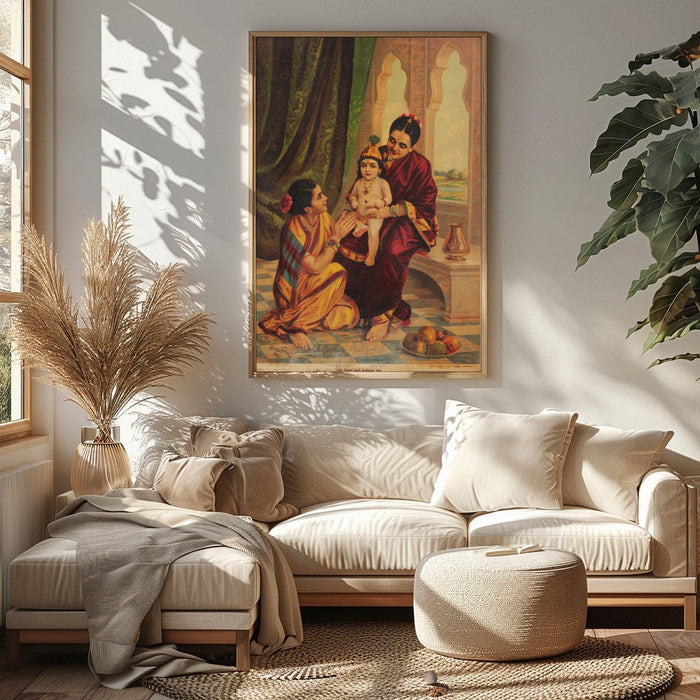
Explore our Divine Companionship: Traditional Portrait — curated for Indian homes like yours.
Understanding Climate-Friendly Art
 Divine Companionship: Traditional Portrait
From ₹1,099
 Devotional Indian Family Portrait
From ₹1,099
 Pastoral Harmony: A Celebration of Nature
From ₹1,099
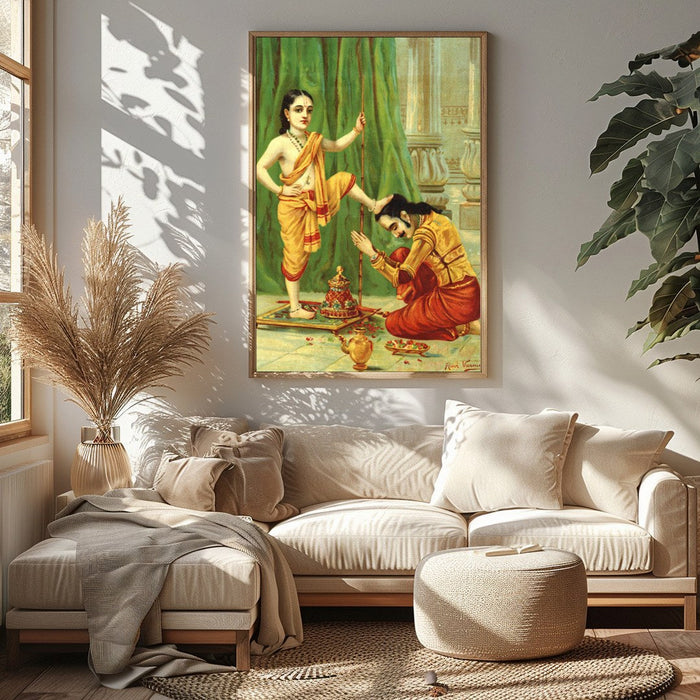
 Epic Indian Mythology Scene
From ₹1,099
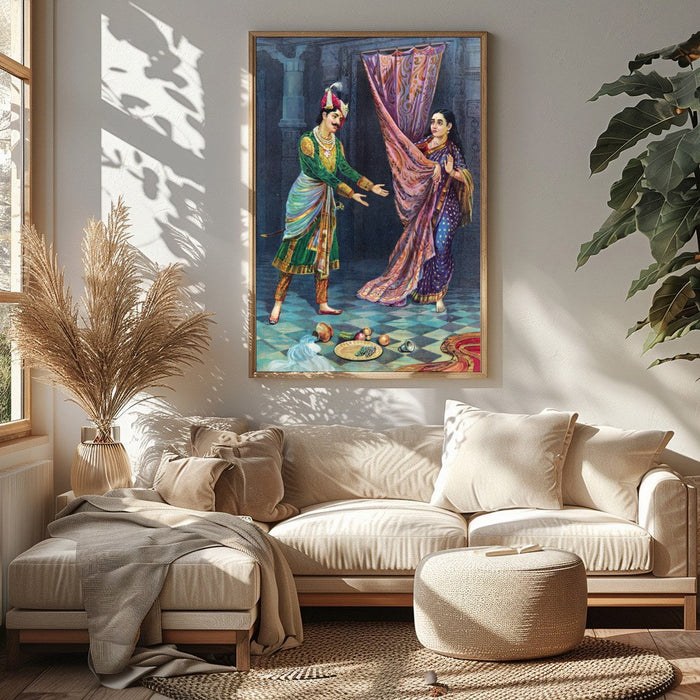
 Royal Exchange: An Indian Courtyard Tale
From ₹1,099
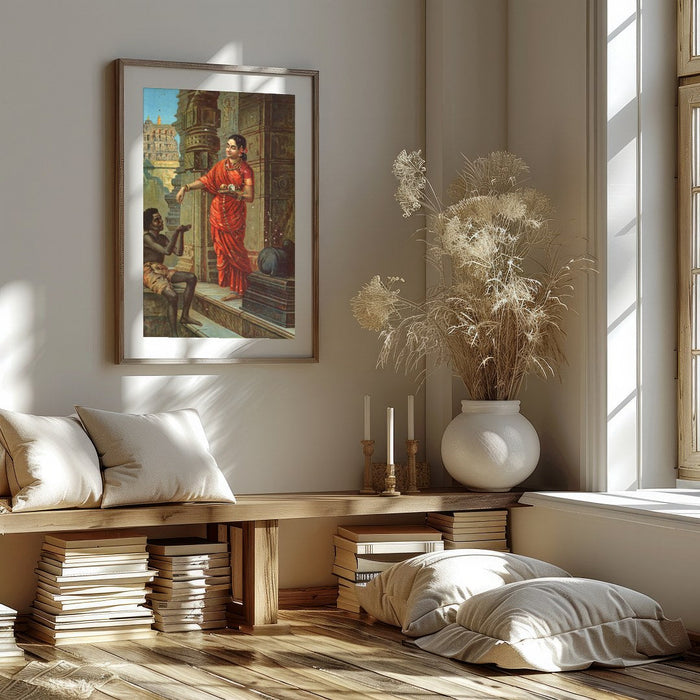
 Royal Courtyard Encounter: Traditional Indian Art
From ₹1,099
 Vibrant Pop Art Icon
From ₹1,099
 Monochrome Lord Hanuman Op Art
From ₹1,099

The concept of climate-friendly art revolves around choosing pieces that are made with sustainability in mind. This includes the materials used, the processes involved in their creation, and the impact they have on our environment. For Indian homeowners, this means opting for art that is not only beautiful but also crafted in a way that minimizes carbon footprints and supports eco-friendly practices.
Explore our Devotional Indian Family Portrait — curated for Indian homes like yours.
- Materials: Opt for art made from recycled or sustainably sourced materials. Artists who use organic paints, recycled paper, and natural dyes contribute significantly to reducing environmental impact.
- Local Artisans: Supporting local artists not only helps the economy but also reduces the carbon footprint associated with shipping artworks from distant locations. Furthermore, local artists often draw inspiration from regional climate conditions and cultural narratives, creating pieces that resonate more deeply with Indian sensibilities.
- Energy Efficiency: Consider the energy consumed during the creation of the art. Art that uses low-energy processes or solar-powered techniques are more sustainable choices.
Popular Climate-Friendly Wall Art in India

Indian homes are as diverse in their architecture and interior design as the country’s culture and climate. Here are some climate-friendly wall art options that suit Indian homes beautifully:
Explore our Pastoral Harmony: A Celebration of Nature — curated for Indian homes like yours.
1. Handcrafted Terracotta Tiles
Terracotta, a material deeply rooted in Indian art history, is making a comeback as a sustainable wall art option. Handmade terracotta tiles can add both texture and warmth to a room. Known for their natural insulation properties, they are especially suitable for homes in regions with extreme temperatures, helping to maintain a comfortable indoor climate. The earthy tones of terracotta blend seamlessly with the vibrant colours of traditional Indian decor, making them a versatile choice for various settings.
Explore our Epic Indian Mythology Scene — curated for Indian homes like yours.
2. Bamboo Wall Hangings
Bamboo is celebrated for its rapid growth and renewability. Bamboo wall hangings are not only eco-friendly but also introduce a touch of the exotic and natural to your interiors. Given that bamboo thrives in India's varied climates, these pieces are a nod to sustainable practices and local materials. The natural grains and textures of bamboo add a serene and calming effect to the home, making it an ideal choice for creating a peaceful ambiance in living rooms and bedrooms alike.
Explore our Royal Exchange: An Indian Courtyard Tale — curated for Indian homes like yours.
3. Textile Art
Textile wall art, including tapestries made from organic cotton or jute, brings a soft, tactile element to home decor. These textiles are often dyed using natural methods, avoiding the harsh chemicals typical in conventional dyes. In humid regions, they can help in absorbing moisture, adding to their practicality. The intricate weaves and patterns often reflect traditional Indian craftsmanship, adding a layer of cultural richness to modern homes.
Explore our Royal Courtyard Encounter: Traditional Indian Art — curated for Indian homes like yours.
4. Recycled Metal Art
Artisans across India are increasingly turning to recycled metals to create stunning wall decor. From intricate carvings to bold, modern designs, metal art adds an industrial chic vibe to Indian homes. Choosing pieces made from recycled materials ensures a smaller carbon footprint and supports eco-friendly practices. These artworks are particularly striking in urban apartments, where their modern aesthetics can complement a contemporary style while still upholding sustainable values.
5. Clay Murals
Clay murals offer a rustic and earthy appeal, capturing the essence of traditional Indian art forms. Crafted by skilled artisans, these murals often depict stories from mythology or everyday life, resonating with cultural narratives. Clay is an abundant and biodegradable material, making it an excellent choice for those looking to reduce environmental impact. The natural cooling properties of clay can be beneficial in warmer climates, providing an added advantage to Indian homes.
Incorporating Climate-Friendly Art in Indian Homes

Integrating climate-friendly art into your home not only enhances its aesthetic appeal but also reflects a commitment to sustainability. Here are a few tips to incorporate these art forms seamlessly into Indian homes:
- Balance and Harmony: Choose art pieces that complement the existing decor of your home. Whether it's a minimalist apartment in a bustling city or a traditional villa in a quiet town, select pieces that enhance the overall harmony of the space. Consider the colours, textures, and themes of your existing interiors when selecting new artwork to maintain a cohesive look.
- Accent Walls: Use these sustainable art pieces to create accent walls that draw attention and add character to your home. An accent wall with recycled metal art or bamboo hangings can become a conversation starter. This approach allows you to make a bold statement without overwhelming the entire room.
- Seasonal Decor: Rotate your wall art seasonally to reflect the changing climate and festivities. This not only keeps the decor fresh but also allows you to showcase different sustainable art pieces throughout the year. During the festive season, consider incorporating traditional Indian motifs and vibrant colours to celebrate the spirit of the occasion.
- Layered Textures: Mix and match different art forms to create an intriguing visual narrative. Combining terracotta tiles with textile art, for example, can add layers of texture and depth to your walls. This approach allows you to play with different materials and create a dynamic and engaging living space.
Additional Tips for a Sustainable Home

Beyond wall art, there are numerous ways to ensure that your home remains environmentally friendly. Consider using energy-efficient lighting to highlight your art pieces, thereby reducing electricity consumption. Low-energy LED lights are a great choice for illuminating artwork, as they provide excellent colour rendering without emitting excessive heat.
Additionally, when framing your art, opt for recycled or sustainably sourced materials. Frames made from reclaimed wood or bamboo not only enhance the natural beauty of the artwork but also contribute to reducing environmental impact. Ensure that the glass used in the frame offers UV protection to prevent fading of the artwork, thus preserving it for years to come.
Indoor plants can also complement climate-friendly art by adding a touch of freshness and vibrancy to your interiors. Plants such as peace lilies, snake plants, and spider plants are known for their air-purifying properties, making them an excellent addition to any home. They can create a perfect backdrop for your wall art, enhancing its visual appeal while promoting a healthier indoor environment.
The Impact of Climate-Friendly Choices

As more Indian homeowners embrace climate-friendly wall art, the impact goes beyond individual homes. This shift encourages artists and manufacturers to adopt sustainable practices, ultimately leading to a larger movement towards environmentally conscious living spaces. Furthermore, by choosing art that respects the environment, homeowners contribute to preserving India’s rich natural heritage, ensuring that future generations can enjoy the same vibrant landscapes and resources.
In conclusion, the journey of decorating an Indian home with climate-friendly wall art is not just an aesthetic endeavor but an ethical one. It is about embracing the beauty that respects the earth, celebrating local craftsmanship, and creating spaces that tell stories of both art and sustainability. So, as you embark on this journey of decorating your home, let each piece of art be a testament to your commitment to a greener, more beautiful world. By making thoughtful choices today, we can all play a part in shaping a sustainable future for India and beyond.